When to Use a Plug-In Connection Kit with SR Cut-to-Length Heat Trace - Heat-Line Freeze Protection Systems

When to Use a Plug-In Connection Kit with SR Cut-to-Length Heat Trace

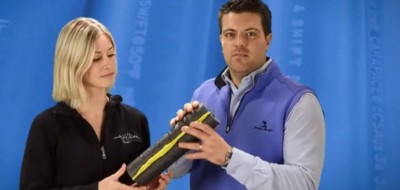
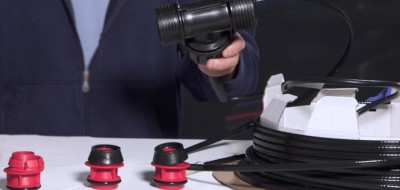
Heat-Line self-regulating cut-to-length heating cable is often installed with a hardwired, cord-set style power connection; however, Heat-Line also offers a plug-in, GFCI-protected power and end-seal connection kit. In this vlog, we share practical pointers on when you may prefer the plug-in kit, and when a hardwired approach may be a better fit, based on common installation factors.

Choosing the right power connection often comes down to the installation environment and how the system will be used. Location type is a primary consideration, including ordinary versus hazardous environments. Another key factor is where the power connection will be located and how accessible the GFCI reset point is. Market segment also plays a role, whether the installation is residential, commercial, or industrial.

To help with selection, here are seven practical factors to review:

• Location type, ordinary versus hazardous environments
• Where the power connection will be located and how accessible the GFCI reset point is
• Market segment, residential, commercial, or industrial
• Maximum circuit lengths and 15 amp versus higher ampacity options
• Tamper resistance where public access is a concern
• Keeping a dedicated circuit reserved for heat trace only
• Temporary use cases where portability adds value

Learn more about Heat-Line SR Cut-to-Length heating cable and accessories at heatline.com/product/cut-to-length/

Related Posts
Making an Installation Serviceable

Making an Installation Serviceable

Hello and welcome to the September 2018 Heat-Line Vlog. Ideally it should whenever possible be common trade practice to install all heating cables in a...

How to Prevent a Frozen Sewer Vent Stack

How to Prevent a Frozen Sewer Vent Stack

Heat-Line specializes in providing freeze protection solutions for a wide range of pipe and roof applications including one that is sometimes overlooked: the frozen sewer...

Difference Between 120 V and 240 V Self-Regulating Heating Cable Systems

Difference Between 120 V and 240 V Self-Regulating Heating Cable Systems

Heat-Line offers self-regulating heating cable systems available in both 120 V and 240 V configurations. The selection of the appropriate voltage depends upon various factors...