How to Measure Self-Regulating Heating Cable for Roof and Gutter - Heat-Line Freeze Protection Systems

How to Measure Self-Regulating Heating Cable for Roof and Gutter

This month’s video blog explains how to determine the required length of heating cable for roof and gutter de-icing using the pre-assembled Paladin for Roof system or SR Cut-to-Length heating cable. Both are self-regulating and suitable for residential and commercial applications. The video covers planning runs and allowances and references the Paladin for Roof Installation Instructions, which include the tables and formulas used to calculate total cable length.

1. Confirm eave overhang to set tracing height
2. Measure roof-edge runs, gutters, downspouts, and valleys
3. Identify the power location to map cable layout and circuits
4. Add length for backtracking, drops, and loops
5. Use the tables in the Installation Instructions to calculate to total cable length

Paladin for Roof ships pre-assembled with factory-finished ends and a cold lead with plug end or cord set. SR Cut-to-Length is trimmed at the point of install for routing flexibility.

Find out more: https://heat5.myinternalworking.com/product/paladin-for-roof/

Related Posts
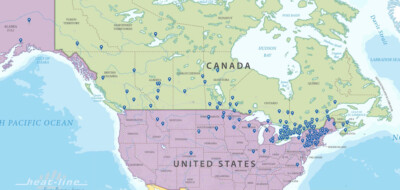
Where to Buy Heat-Line Self-Regulating Heating Cable Products

Where to Buy Heat-Line Self-Regulating Heating Cable Products

Heat-Line specializes in providing self-regulating heating cable systems and accessories for in pipes, on pipes, roofs and gutters. Unlike outdated heat tape, Heat-Line systems will...
Electrical Requirements for Self-Regulating Heating Cable Systems

Electrical Requirements for Self-Regulating Heating Cable Systems

Over the years we are often asked about the electrical requirements for Heat-Line self-regulating heating cable systems and self-regulating cables. Our founder and master electrician,...
Does Low Voltage Heat Trace Use Less Energy?

Does Low Voltage Heat Trace Use Less Energy?

A common misconception is that low voltage electrical appliances, such as a heating cables, consume less energy than 120/ 240 volt electrical appliances. Power consumption...