 1-800-584-4944



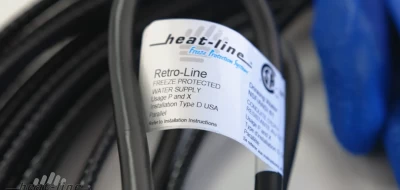
Heating Cable System Safety: CSA Certification & Usage Designations
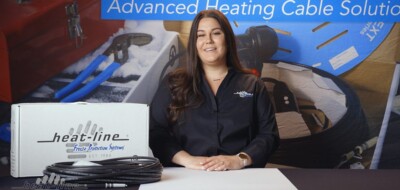
In this month’s video blog, we break down the different heating cable certifications and designations—and why they matter. When selecting a heating cable system, it...
Retro-FM is an internal self-regulating heating cable system designed to provide internal freeze protection for existing, problematic, pressurized sewage and grey water force mains and large diameter pressurized potable water pipes without the need to excavate.
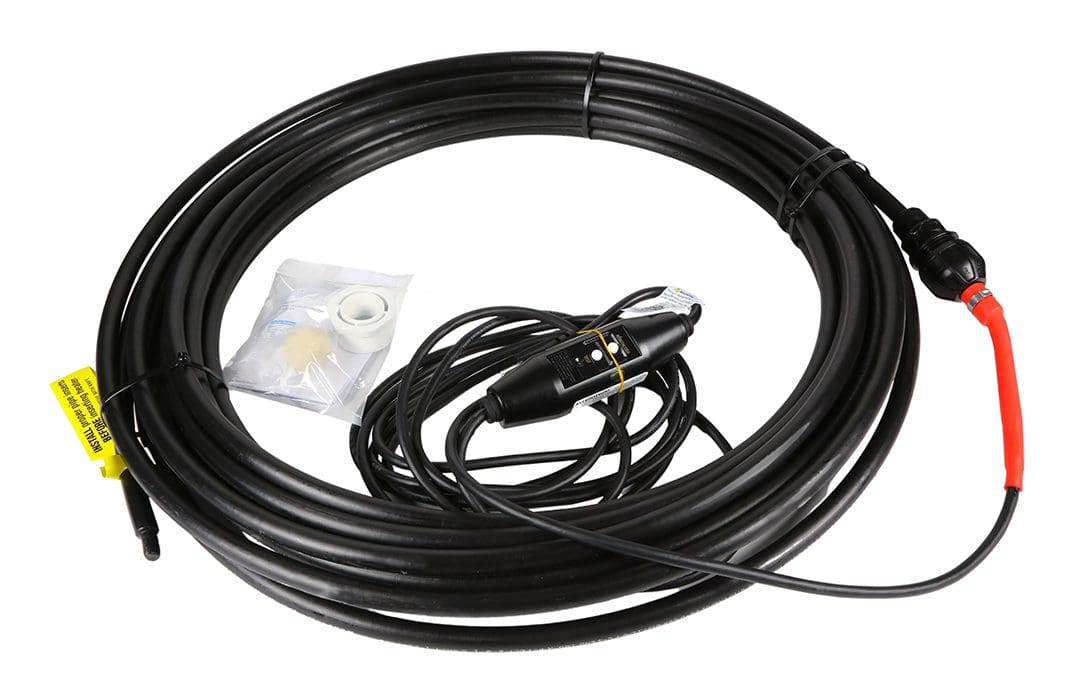
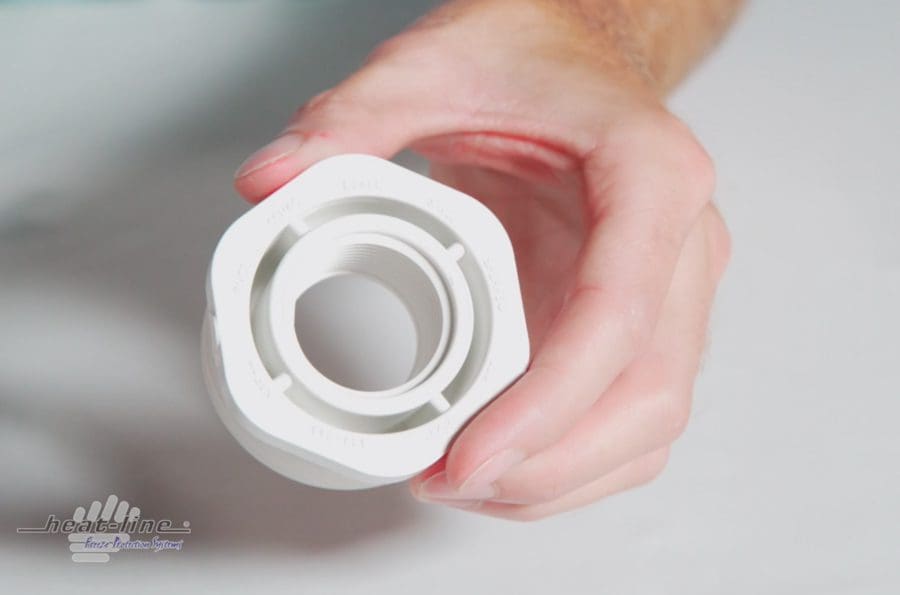
A lot of people ask why a one inch thread is included, when this product is intended to be used in a pipe as large as two inches or greater. The system is outfitted with a one inch male thread, but you can always increase the thread size as needed with standard plumbing bushings. The Retro-FM can be used in pipes ranging from two inch, all the way up to six inch. The Retro-FM package includes a one inch female to two inch male bushing, but can be increased further with standard bushings by visiting any local hardware store.
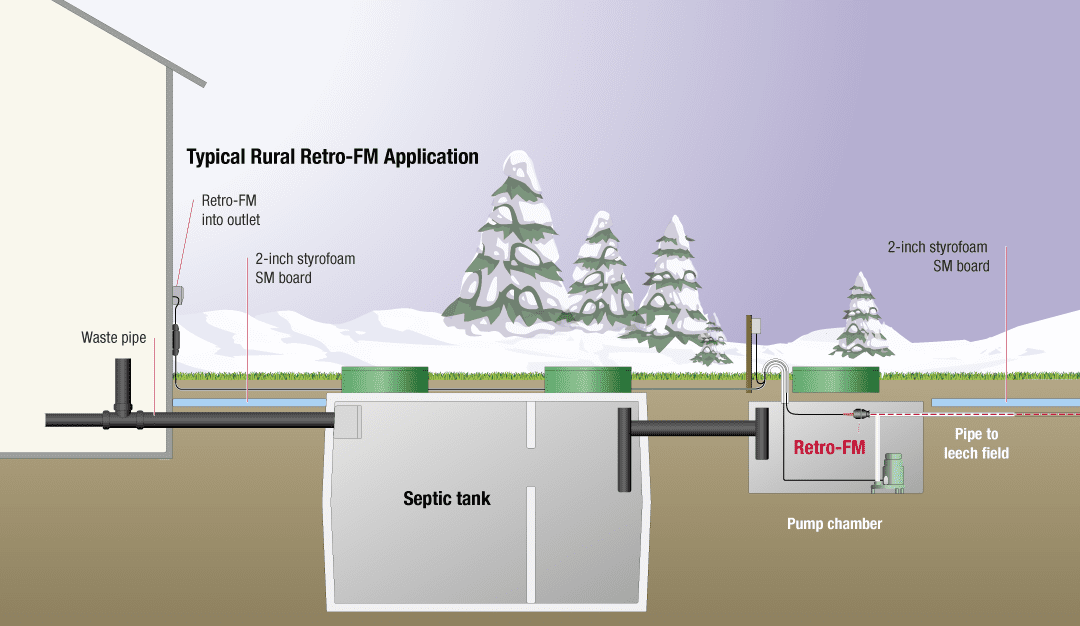
Retro-FM is the only trace heating system designed to internally protect pressurized sewage and grey water pipes as well as large diameter potable water supply pipes. These applications include but are not limited to rural and municipal sewage force mains; commercial/industrial potable water supply pipes and other similar applications.
In this month’s video blog, we break down the different heating cable certifications and designations—and why they matter. When selecting a heating cable system, it...
When considering a new roof de-icing system, or if you already have one installed, many homeowners ask, "How long should you leave roof heating cables...

How Deep to Bury Pipes A common question our customers ask is how deep to bury water pipes to prevent freezing. To prevent water pipes...